OUR PROGRAM FOR AGES 3-5
Kindergarten
& Primary
A Foundation For Independent Learning
The Primary Years

The Montessori Primary program serves children ages 3–6 through a three-year learning cycle that supports each child's individual development. In mixed-age classrooms, younger children learn through observation and exploration, while older children deepen their understanding through leadership, collaboration, and growing responsibility. This continuity encourages independence, concentration, and confidence as children progress at their own pace.
Through individualized guidance and hands-on Montessori materials, children develop a strong academic foundation in language, mathematics, practical life, sensorial learning, and cultural studies. Alongside these experiences, they strengthen their ability to think critically, solve problems, communicate effectively, and work respectfully with others. Together, these skills prepare children for continued academic success and a lifelong interest in learning.
Learning in the Primary Classroom

Practical Life
-
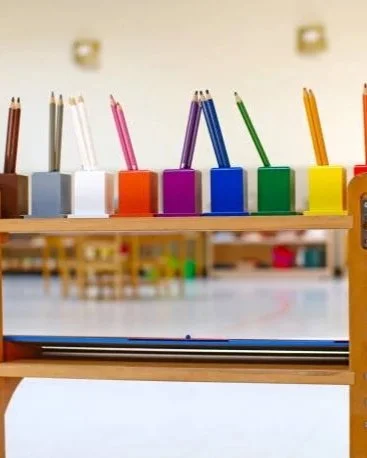
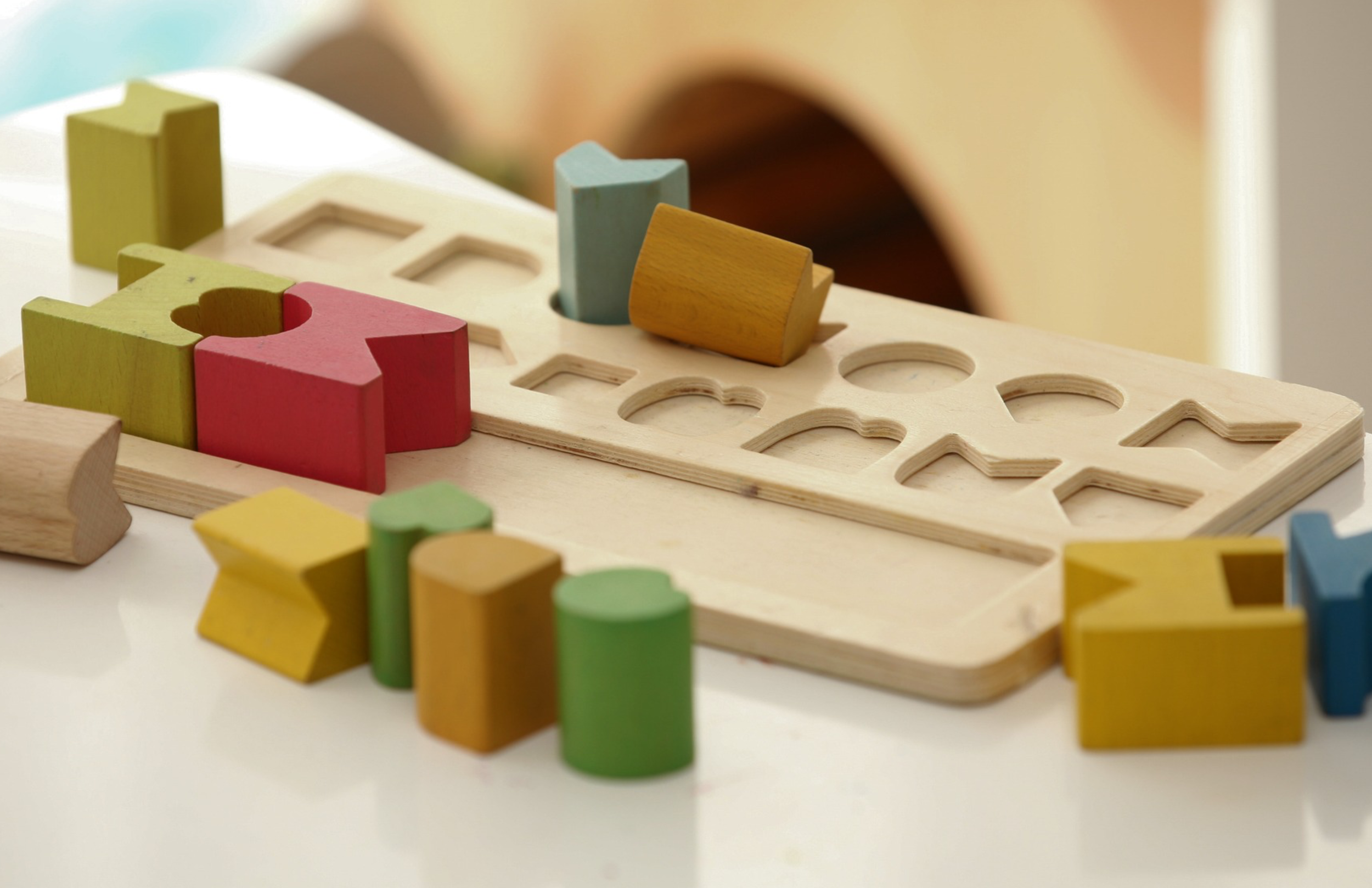
Montessori Sensorial materials encourage children to observe, compare, classify, and make sense of the world through their senses. By exploring differences in size, shape, color, texture, sound, and dimension, children refine their perception, develop logical thinking, and build important foundations for mathematics, language, and scientific understanding.
Sensorial
-
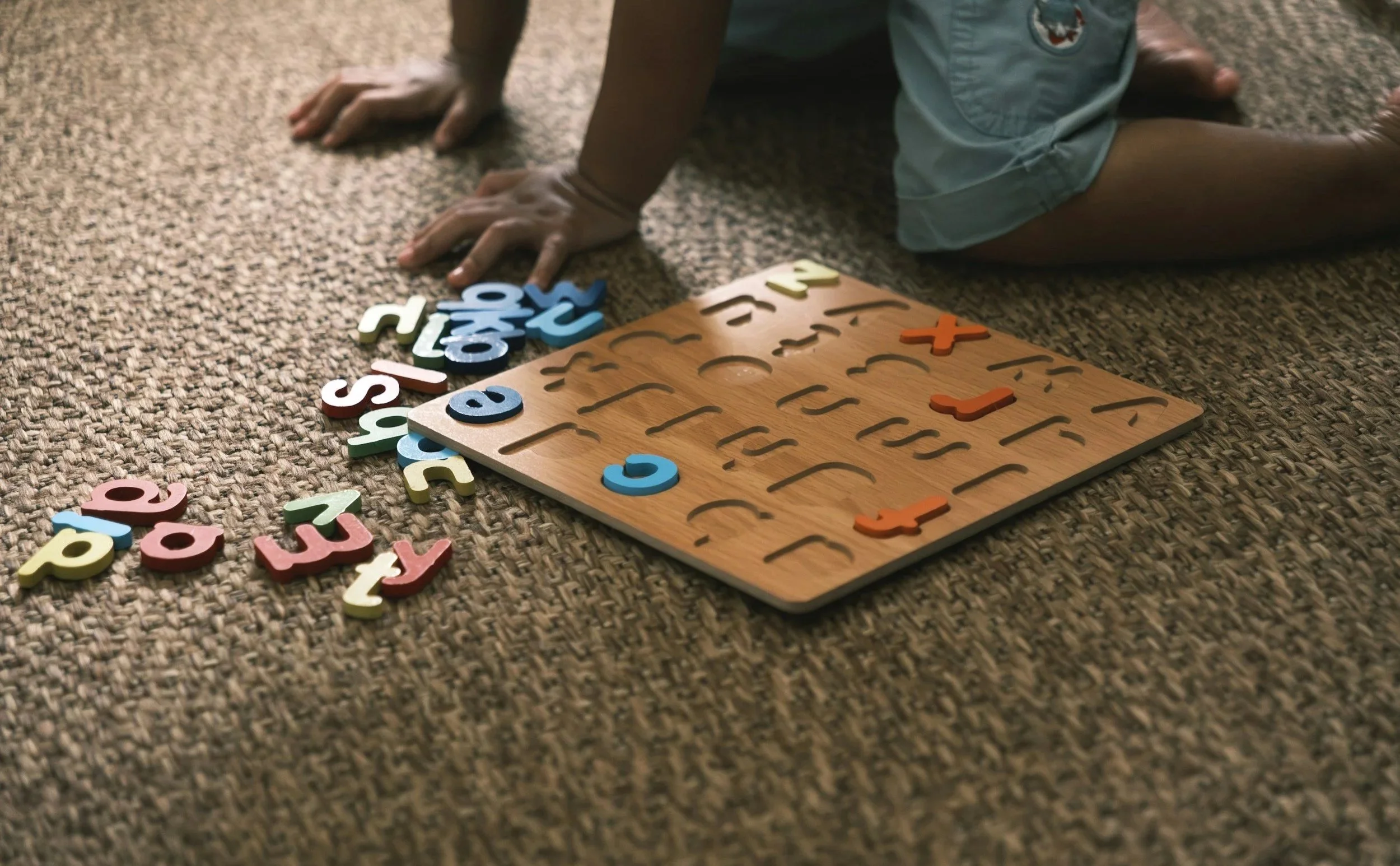
Language development is woven throughout the Montessori classroom, progressing from spoken communication and vocabulary to phonetic awareness, writing, and reading. Through storytelling, conversation, and hands-on materials such as sandpaper letters and the movable alphabet, children develop literacy skills at their own pace while strengthening comprehension and confidence in communication.
Language
-
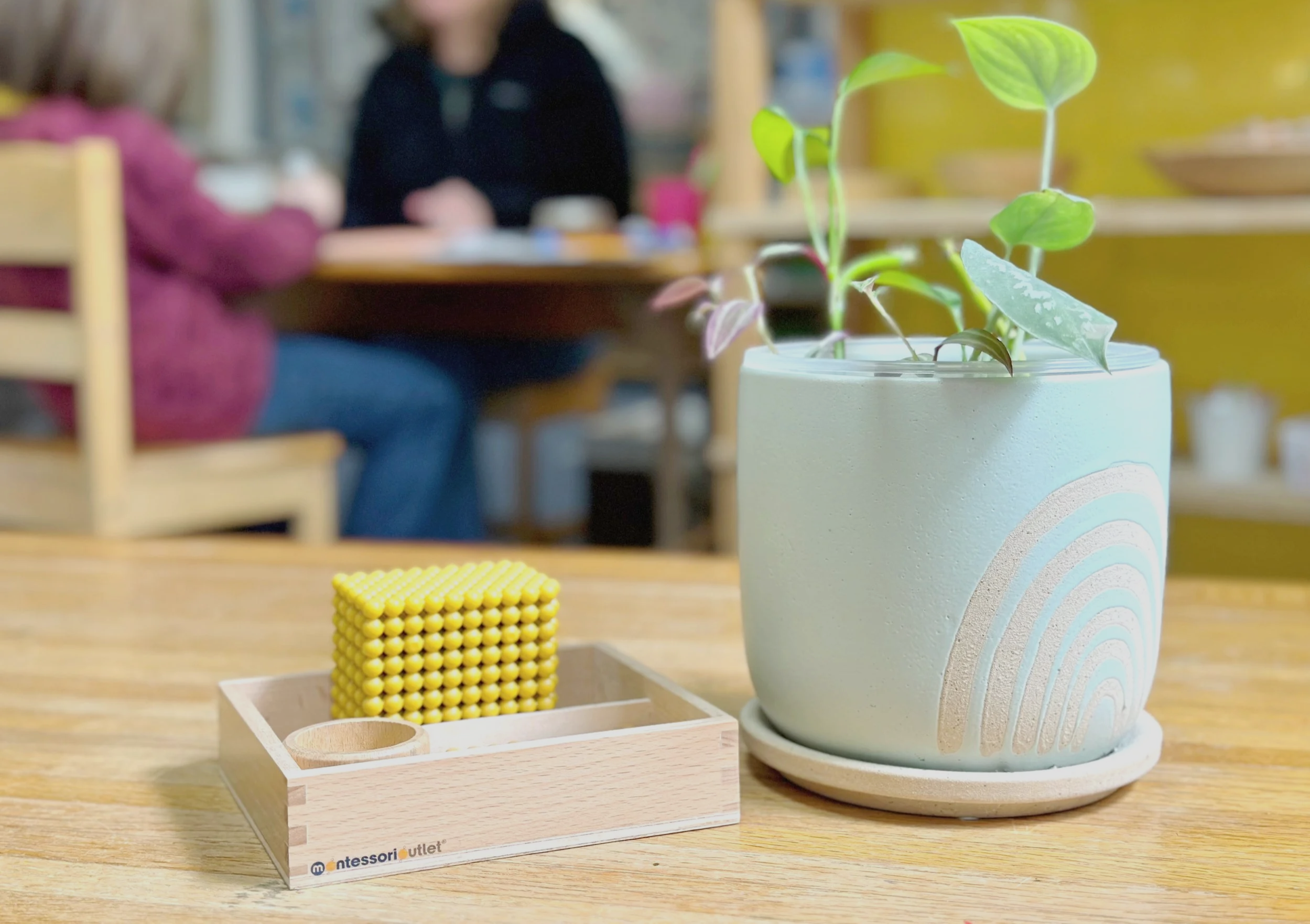
Montessori Mathematics introduces abstract concepts through concrete, hands-on materials that allow children to see and understand mathematical relationships. Beginning with number recognition, quantity, and counting, children gradually explore the decimal system, place value, and mathematical operations. This progression encourages logical reasoning, problem-solving, and a genuine understanding of how numbers work.
Mathematics
-
Natural Sciences encourages children to investigate the living world through botany, zoology, and environmental exploration. Through observation, classification, gardening, and the study of plants, animals, habitats, and life cycles, children develop scientific vocabulary and an understanding of natural systems. These experiences foster careful observation, critical thinking, and respect for the environment.
Cultural Studies
-
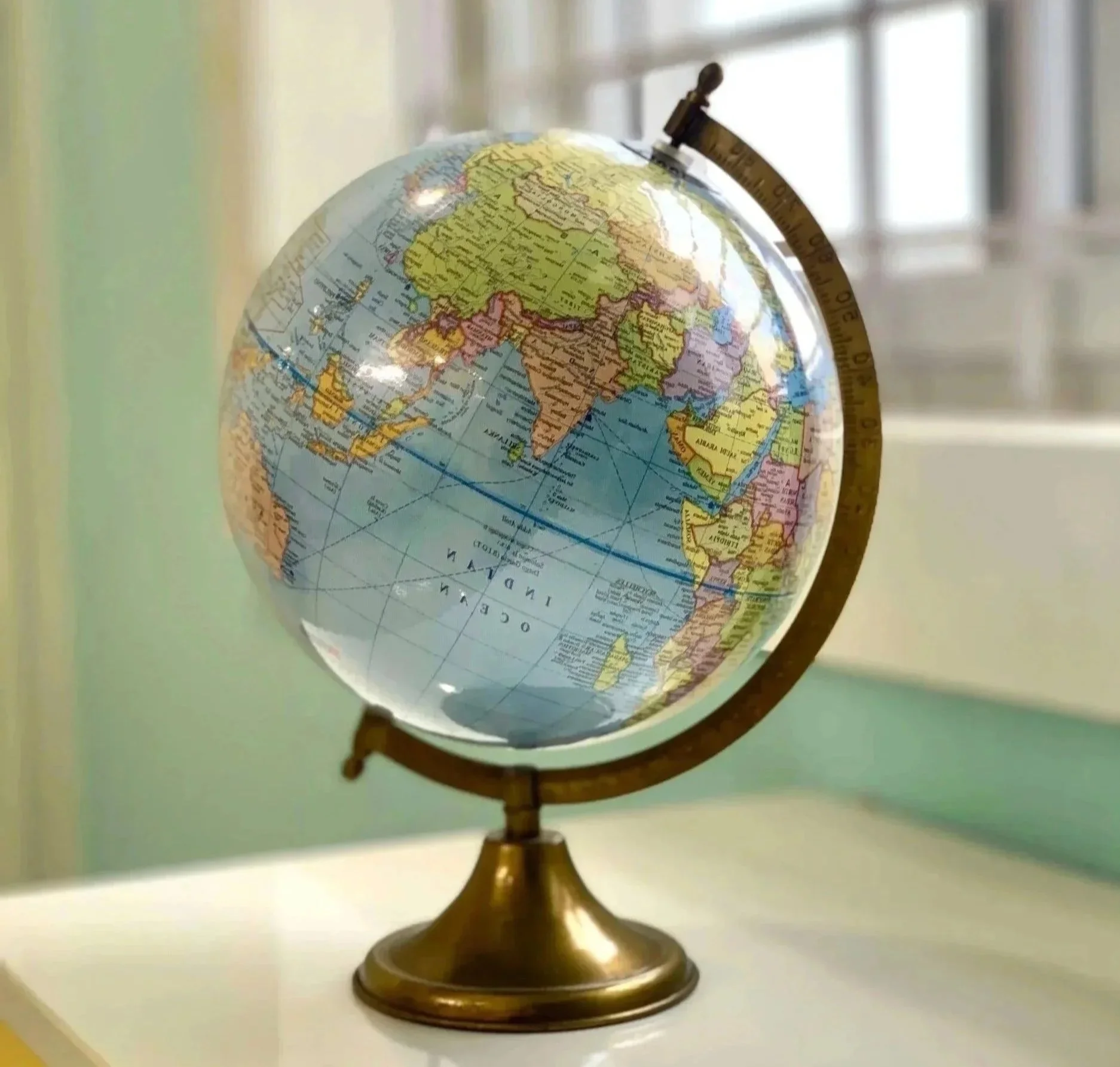
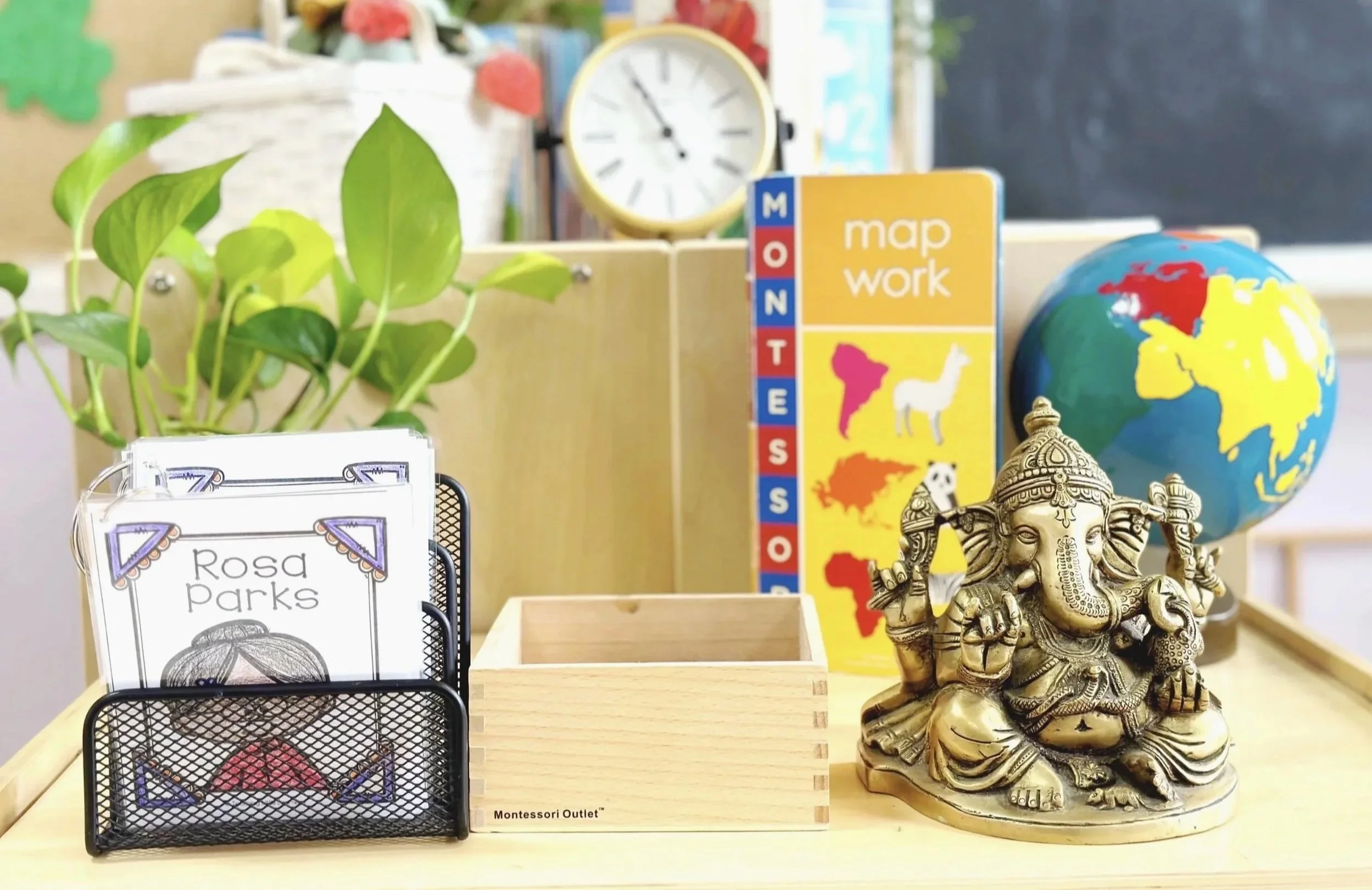
Cultural Studies introduces children to geography, history, and the diverse people and traditions of our world. Through maps, globes, stories, music, and hands-on activities, children explore continents, countries, communities, and the ways people live. These studies encourage curiosity, cultural awareness, and an understanding of the connections between people and places.
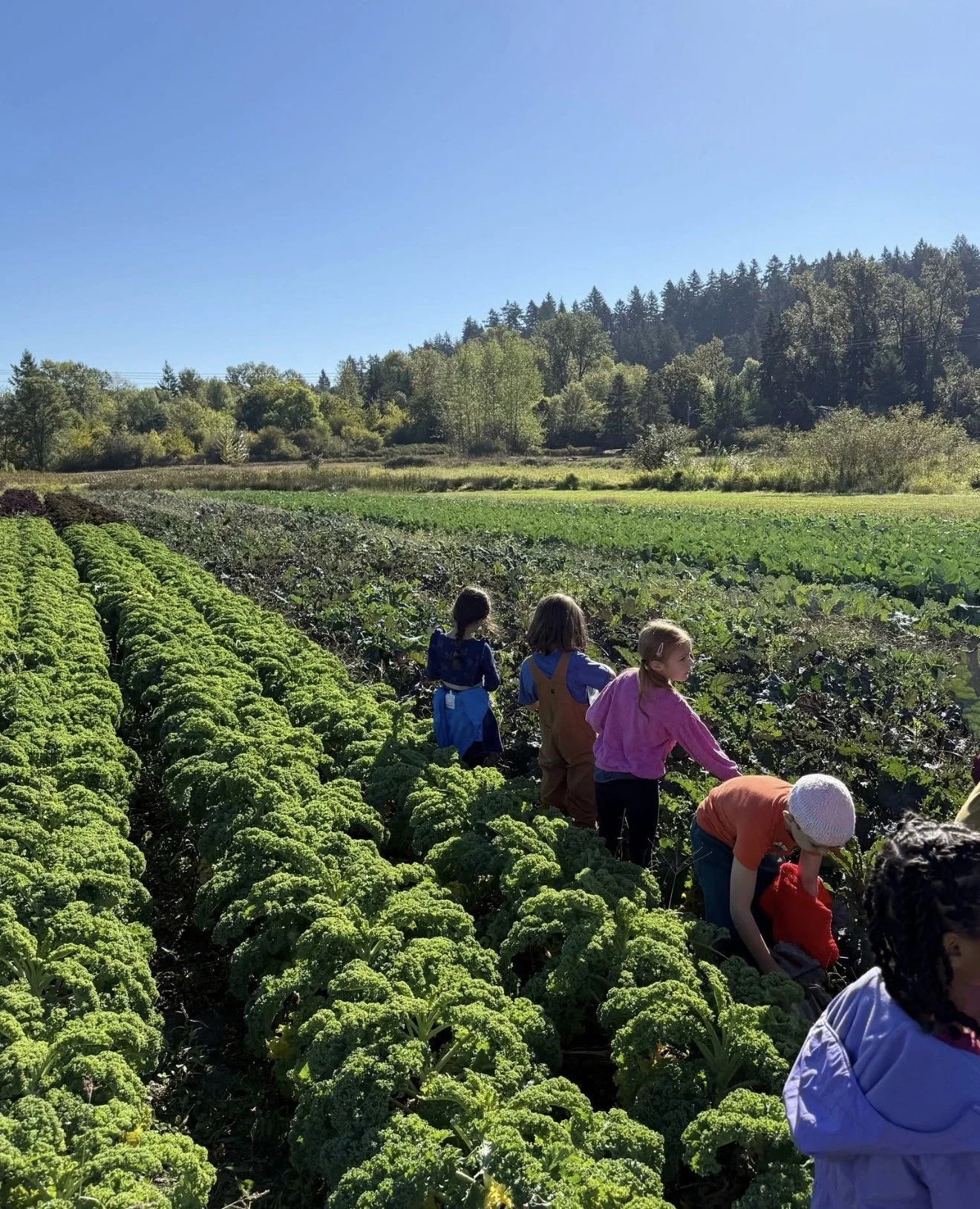
Natural Sciences
-
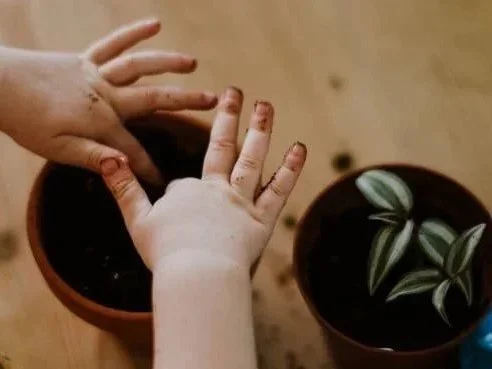
Practical Life activities help children develop independence, concentration, coordination, and responsibility through meaningful everyday tasks. From pouring and food preparation to caring for their classroom environment, children strengthen fine motor skills, develop an understanding of sequence and order, and gain confidence in their ability to care for themselves and others.
A Special Year in Primary
Kindergarten
A Year of Leadership, Academic Growth, and Artistic Exploration
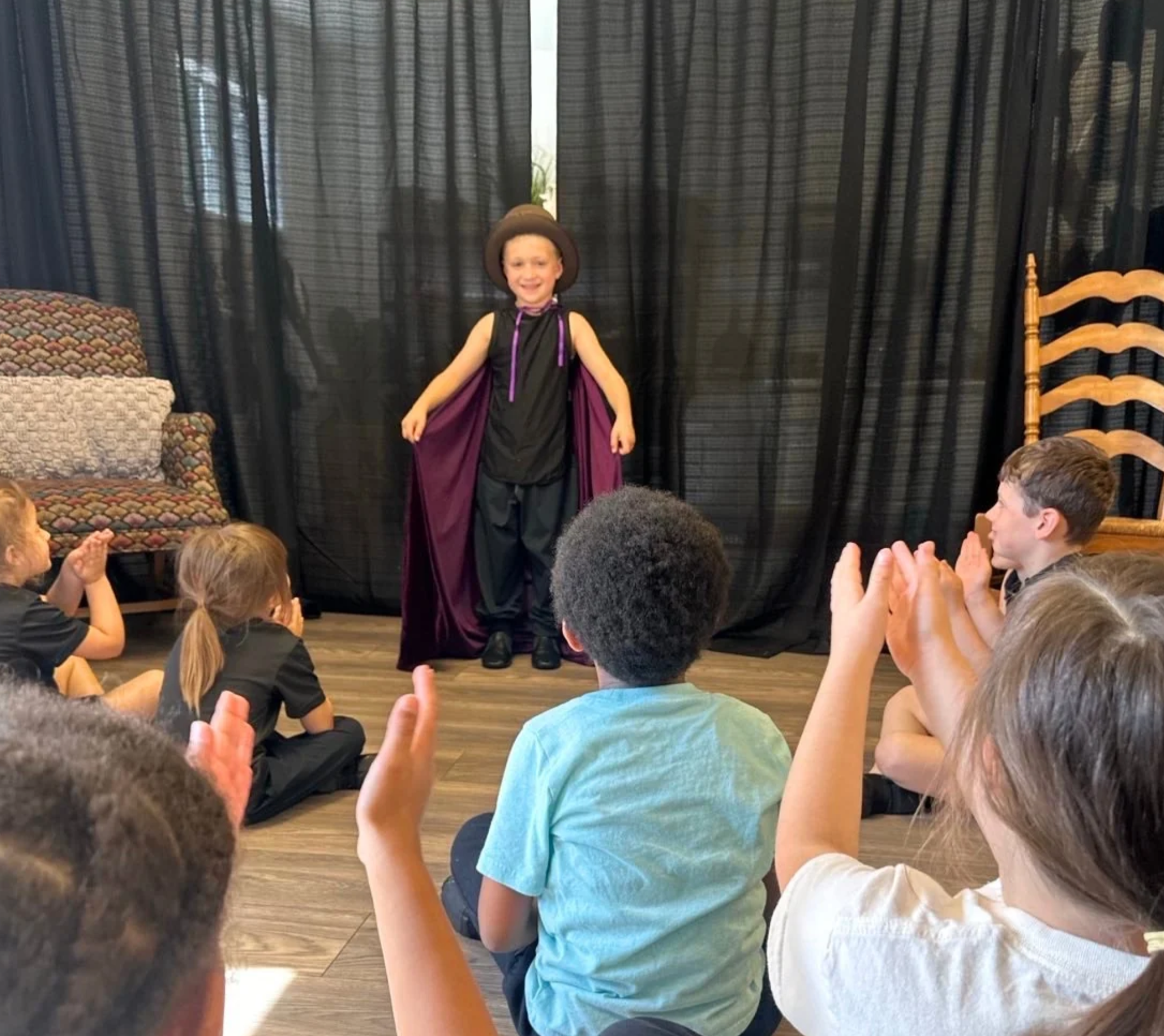
Kindergarten marks the culminating year of the Montessori Primary cycle. As the oldest members of their classrooms, students take on greater responsibility, develop leadership skills, and build upon three years of academic learning. With opportunities for more advanced work, independent thinking, and collaboration, children strengthen the knowledge and confidence that prepare them for elementary education.
At both Little Friends Montessori and Young Voyagers Montessori School of Arts, Kindergarten also marks the beginning of dedicated fine arts instruction. Music, dance, and visual arts become an integral part of the educational experience, introducing students to new artistic disciplines while supporting creativity, coordination, expression, and a deeper appreciation for the arts.