
PRIMARY


Where Discovery Begins

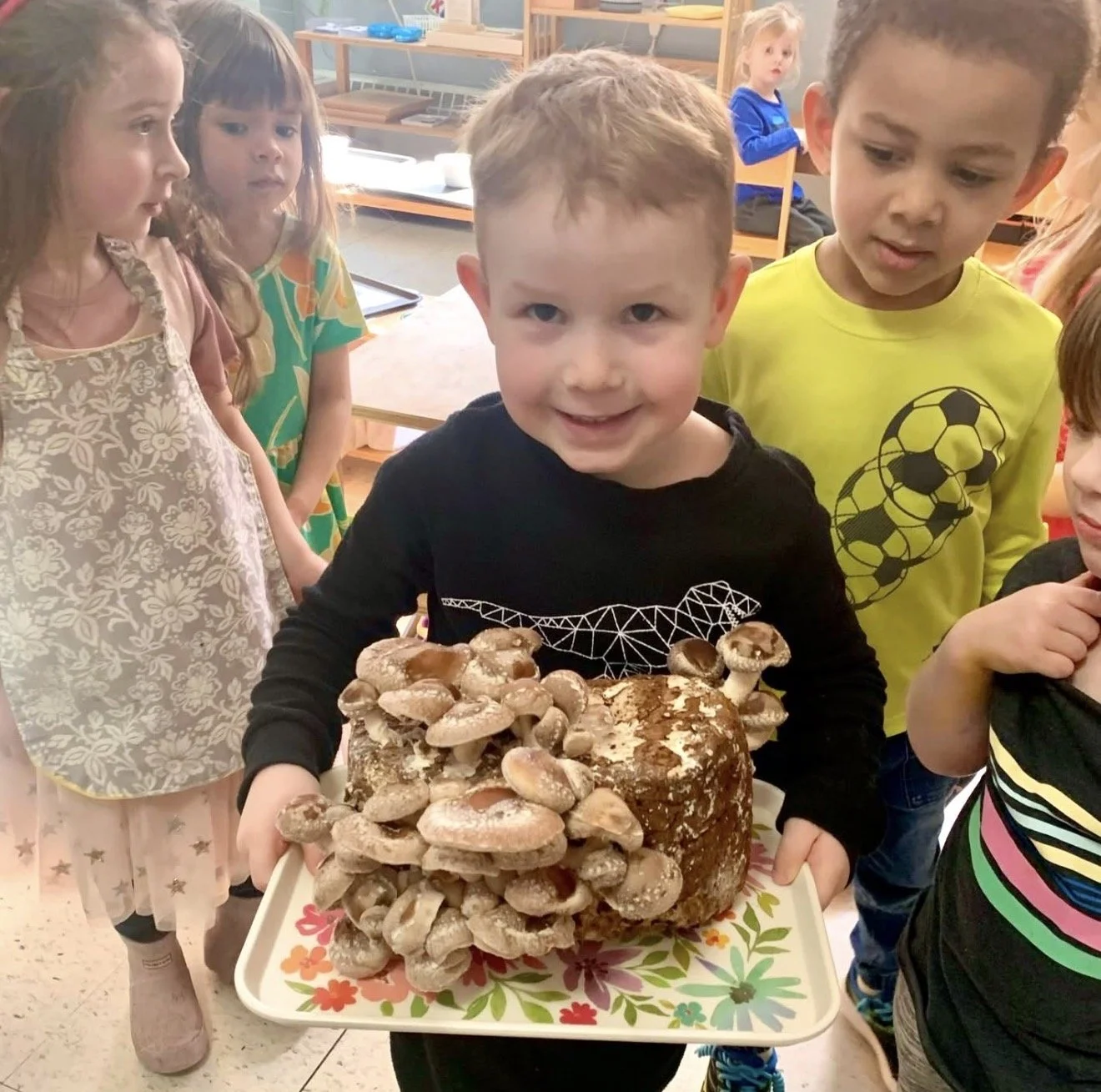
Across our school communities, our Primary classrooms provide a warm, thoughtfully prepared Montessori environment where children learn through hands-on experiences and purposeful work. Guided by caring educators, students explore engaging materials, make independent choices, and progress at their own pace. Along the way, they build confidence, develop responsibility, and discover a love of learning that supports them both in and beyond the classroom.
AND CREATIVITY COMES TO LIFE

While creativity is experienced in every classroom, beginning in kindergarten, students participate in dedicated learning experiences with our specialized educators in music, dance, theater, and visual art. As children continue into elementary at Young Voyagers Montessori School of Arts, these artistic experiences become an integrated part of the elementary curriculum, weaving the arts into each school day.
-
This area consists of basic, purposeful life skills, prepared in order to help the child gain control of movement. There are opportunities to pour, spoon, tweeze, sort, sweep, sew, hammer and much more. The child also learns grace and courtesy as well as a respect for their environment.
-
Sensorial exercises were designed by Montessori to cover every quality that can be perceived by the senses. These qualities include size, shape, composition, texture, loudness or softness, matching, weight and temperature. Because the exercises cover such a wide range of senses, Montessori categorized them into eight different themes: visual, tactile, baric, thermic, auditory, olfactory, gustatory and stereognosis.
-
Through the use of a multitude of activities, a child first learns his/her phonetic sounds, phonetic reading and writing, irregular (sight) words, phonograms and blends, which leads them to fluent reading. We also document journal keeping, creating writing, whole language and poetry.
-
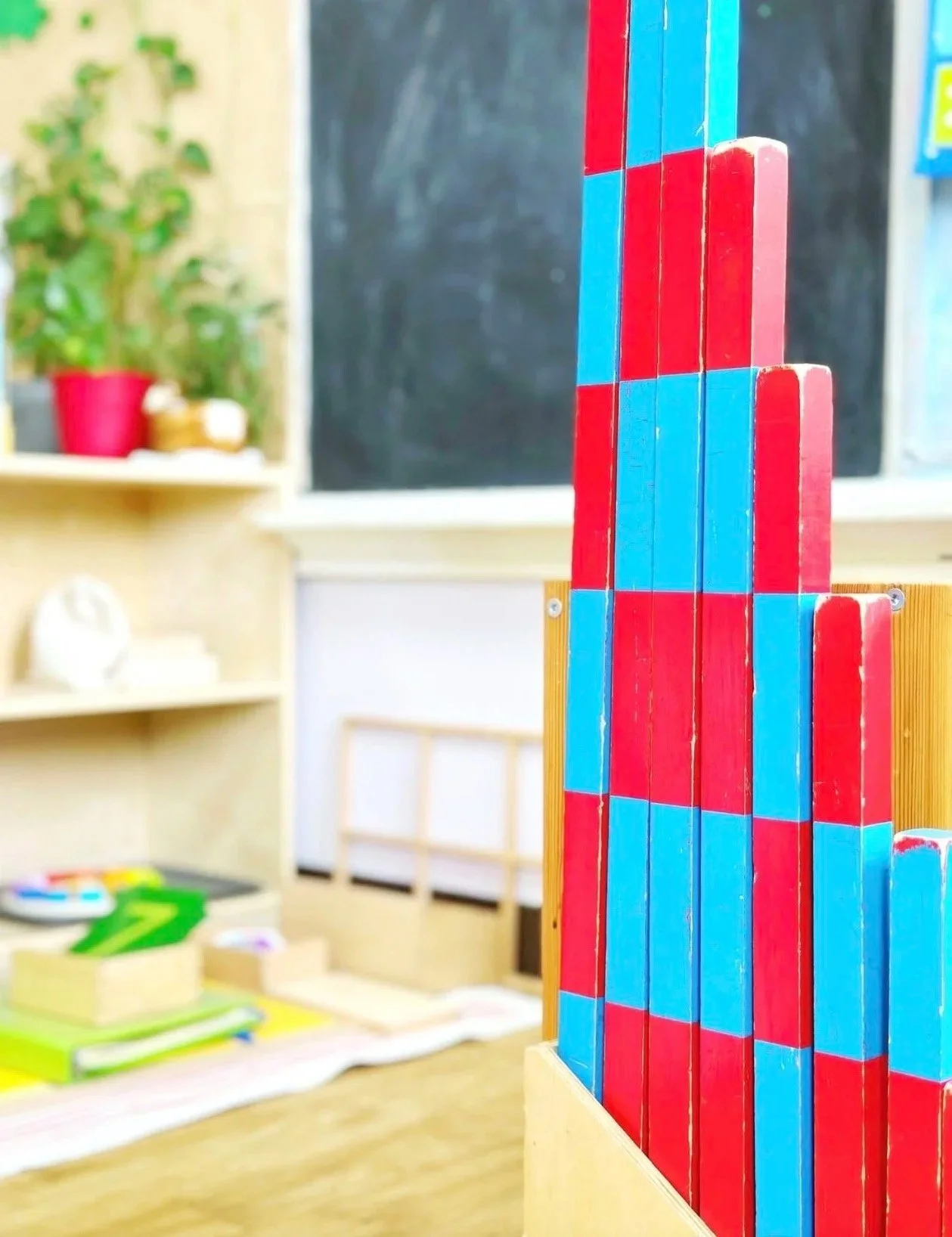
All activities incorporate the use of concrete materials. Children first learn to count to ten, and systematically progress to solving complex addition, subtraction, multiplication and division.
-
Kids learn history examining their own lifetime from birth to present, and studying their own family tree, Children gain their first sense of history by investigating their unique history.
-
In Geography, we start with the concepts of water, land and air. Montessori Geography progresses to studying the world’s different regions through photographs, art, geo-molds and geography puzzles.
-
We focus on a different cultural study each month.
September - Oregon
October- North America
November- South America
December- Arctic Regions
January- Asia
February- Human Body/Emotions/Mind
March- Europe
April- Africa
May- Australia
-
Our Science experiments are a major highlight! These activities are fun, as well as hands-on. Prediction and analysis are incorporated into each experiment as a precursor to using the scientific method.
-
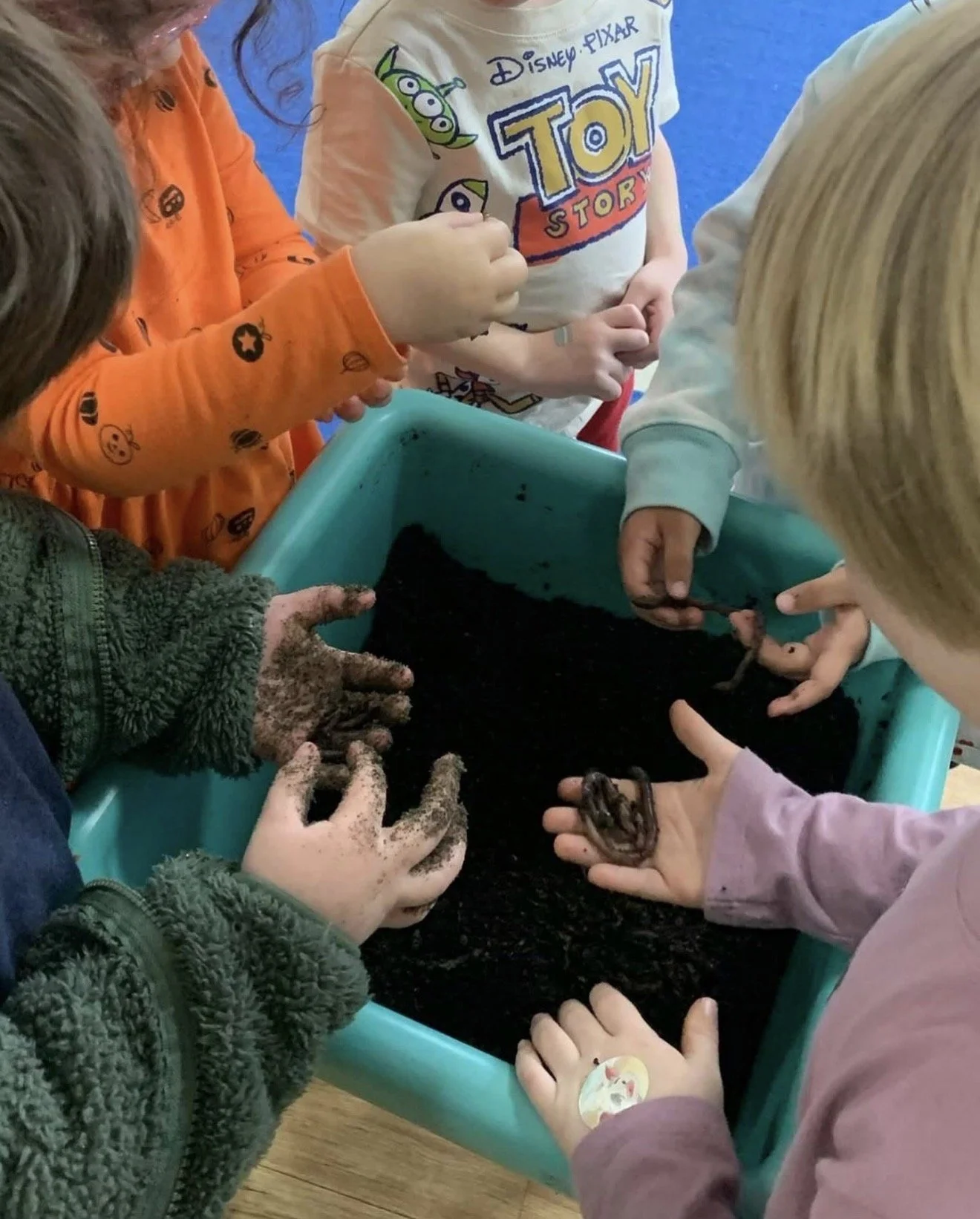
Botany assists the child in exploring the biological aspects of his/her environment. The study of botany is child-centered, uses live plants to stimulate interest, and brings to the child an appreciation for the delicate balance of nature. Children, by their very nature, are fascinated by animals. We learn about animals and how to respect their needs, habits and characteristics.
